
The traditional media outlets that once held public figures to account have largely succumbed to access journalism, trading incisive analysis for the privilege of a proximity that ultimately yields little truth. Enter El Uno and TraB The Wonder, the hosts of Rock Da Crowd TV’s The Straight Dope Show. In their latest installment, the widely discussed The Straight Dope Show 426, they do not merely host a podcast; they convene a grand cultural tribunal. This episode serves as a blistering audit of the current, often absurd, condition of entertainment, sport, and identity, delivering truths that mainstream platforms are either ill-equipped or unwilling to articulate.
Hip-Hop’s Vulnerable Vanguard: The Earl Sweatshirt Lament
The episode opens with an unusual degree of emotional vulnerability, specifically regarding the trajectory of an artist once considered the genre’s intellectual savior. El Uno and TraB The Wonder pivot sharply into a poignant Earl Sweatshirt Alchemist album review. For many long-term fans, Earl represented the apex of intricate lyricism and gritty sonic density. His early discography felt dangerous and necessary. The hosts argue, however, that his recent output, particularly his highly anticipated collaborative album with The Alchemist, represents a decline not of talent, but of urgency.
This critique is not born of malice but of profound disappointment—the heartbreaking realization that an icon is transitioning into an indulgent, legacy-driven phase of their career. They contend that the album feels like a missed opportunity, prioritizing artistic exploration over the foundational impact that defined Earl’s earlier work. This sense of “hip-hop heartbreak” is compounded when the conversation transitions to the Bay Area’s own P-Lo. The hosts deliver a necessary, if brutal, truth: P-Lo remains an elite producer, capable of engineering iconic sounds for others, but his recent focus on a solo rap career has yielded music that is frustratingly underwhelming.
The Drake Identity Crisis and the Pursuit of Regional Flow
From a nuanced lament for Earl Sweatshirt, the discussion accelerates into a scathing indictment of arguably the biggest star in the world. The trial of Drake begins with precision localized focus. The hosts introduce what they describe as the Drake Mac Dre flow controversy, accusing the Toronto megastar of systematically co-opting the iconic, foundational flow of the legendary Bay Area pioneer, Mac Dre. They argue this isn’t an isolated homage; it’s a pattern of cultural tourism that Drake employs to maintain relevance across diverse regions.
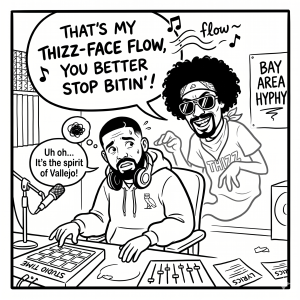
This co-optation is only the gateway to a deeper analysis of the superstar’s current, volatile standing. El Uno and TraB The Wonder dive headfirst into the weeds of the Drake UMG lawsuit victim raps. They tear into Drake’s recent contentions that UMG is somehow damaging his public image and brand, dismissing this narrative as an elaborate pivot from the serious cultural and reputational damage inflicted during the Kendrick Lamar battle. The absurdity peaks when discussing Drakes album cover with a MAGA chain being posted by the White House. The conclusion is simple: Drake is stuck in a profound identity crisis, utilizing legal maneuvers and borrowed regional relevance to avoid facing an undeniable artistic decline.
WNBA Dynamics and the Politics of the Superstar
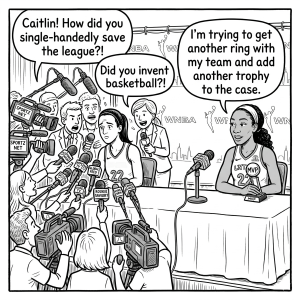
Perhaps the episode’s most intellectually muscular segment centers on a devastating deconstruction of the current media feeding frenzy surrounding the WNBA. Pushing back forcefully against the prevailing mainstream narrative, the hosts argue that the hyper-focus on rookie Caitlin Clark—whom they liken stylistically and visually in the illustrative summary to the NBA’s Trae Young (flash over substance, high-volume shooting) rather than the frequently cited Steph Curry—is fundamentally flawed. They contend that the Curry comparison is lazy sports marketing designed to package Clark as an unprecedented savior, effectively erasing the league’s history.
The hosts are clear: this narrative is not just inaccurate; it is actively dangerous to the sport. By manufacturing the myth that Clark is “saving the league” single-handedly, the WNBA white savior complex narrative is laid bare. El Uno and TraB The Wonder passionately argue that this approach prioritizes corporate growth and arena development at the direct expense of recognizing existing, established Black talent.
The most potent element of this critique emerges during the detailed A’ja Wilson vs Caitlin Clark media coverage analysis. The hosts present irrefutable evidence that A’ja Wilson—the true, generational titan of the sport, currently chasing a historic fifth MVP and fourth championship—is effectively being ignored by large segments of the mainstream press in favor of Clark’s every move. This systemic bias is not just about ratings; it’s a structural erasure of proven excellence. In calling out this disparity, The Straight Dope Show validates the performance of real titans like A’ja Wilson and Kennedy Carter, providing the definitive, unfiltered antidote to the manufactured hype cycle.
The Quiet Genius of Hyper-Consumption and Niche Obsession
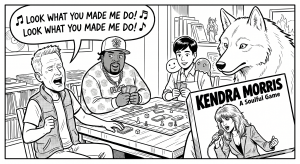
The episode demonstrates a remarkable agility by seamlessly weaving between these high-stakes cultural battles and moments of delightfully hyper-specific analysis. We see this playfulness merge with genuine critique when the hosts deliver a necessary Steve Kerr Taylor Swift lyrics critique. They express deep frustration with the Golden State Warriors head coach, whose illustrative representation is visually tethered to pop references in the context of this episode. The hosts argue that Kerr reportedly weaving Taylor Swift lyrics into post-game speeches while remaining conspicuously silent on the Voting Rights Act isn’t just awkward; it’s a profound dereliction of duty for a coach with a historic platform.
Yet, this high-culture critique is balanced by confessions of authentic, if extreme, personal consumption. TraB The Wonder reveals an illustrative and absurd truth regarding his listening habits, logging an astonishing 17,900 minutes of Westside Gunn on Spotify. This confession is not just trivia; it is a testament to the hosts’ genuine connection to the culture they audit—they are not distant observers but deep participants in it. This perspective extends to their appreciative review of Kendra Morris, specifically the “quiet genius” of her album, which is brilliantly engineered to fold out into a functional board game. This type of unique fan appreciation is visual evidence that the hosts possess an “ABSURD skill” for finding authentic innovation.
Finally, the show wraps up by celebrating an illustrative and unexpected obsession with the genre of anime. The hosts deliver an enthusiastic Campfire Cooking in Another World anime review, highlighting how the show’s specific blend of food, relaxation, and fantasy provides a necessary, if absurdly niche, escape from the pressures of modern life. They contend that the high-stakes world of WNBA media politics and Drake lawsuits can be so toxic that even niche anime about magic campfires becomes essential.
In approximately one hour and twenty minutes, El Uno and TraB The Wonder synthesize a complex audit of the modern condition, delivering unparalleled clarity on everything from the nuances of Earl Sweatshirt Alchemist album review to the systemic bias within A’ja Wilson vs Caitlin Clark media coverage. It is unfiltered, raw, and essential viewing. The guys do a great job of synthesizing a world where Steve Kerr critiques and Drake lawsuits sit comfortably alongside hyper-consumption of Westside Gunn and anime. This is not just a show; it is the truth of our absurd modern condition, delivered by those who actually live it.