
In an era where the cultural zeitgeist is endlessly manufactured, sanitized, and packaged for mass consumption by algorithmic overlords, finding a genuinely unfiltered voice feels akin to discovering water in a desert. The modern podcast landscape is often cluttered with polished echo chambers, but every so often, a broadcast cuts through the digital noise with the visceral, unapologetic energy of a corner barbershop debate. Enter The Straight Dope Show.
In the formidable sample of Episodes 358 and 359, affectionately dubbed the “Antipasti” episodes, hosts El Uno and TraB the Wonder serve up a masterclass in modern cultural critique. With their signature blend of razor-sharp observation and unrelenting humor, the duo dismantles the invisible structures that govern sports, entertainment, politics, and the collective psyche of the millennial generation. It is a raw, captivating watch that demands your attention—and perhaps, a complete reevaluation of how you consume media.
The Straight Dope Show Antipasti ep.358 and 359
The Straight Dope Show Breaks Down NFL Racial Bias and the League’s Invisible Hand
The conversation initially masquerades as standard sports banter—a debate over preseason football and the sudden emergence of three white cornerbacks vying for starting positions. The hosts quickly point out that a white player hasn’t started at that position in roughly two decades, famously citing Jason Sehorn. But El Uno and TraB are never content to merely skim the surface of a statistic. They plunge directly into the systemic biases that dictate these realities.
The hosts astutely dissect the NFL “eye test,” a deeply ingrained scouting methodology that prematurely sorts athletes into predefined molds before they ever fully prove their capabilities on the professional field. They argue that the structural gatekeeping isn’t merely about speed or talent, but rather about institutional preconceptions regarding who is “supposed” to play where.
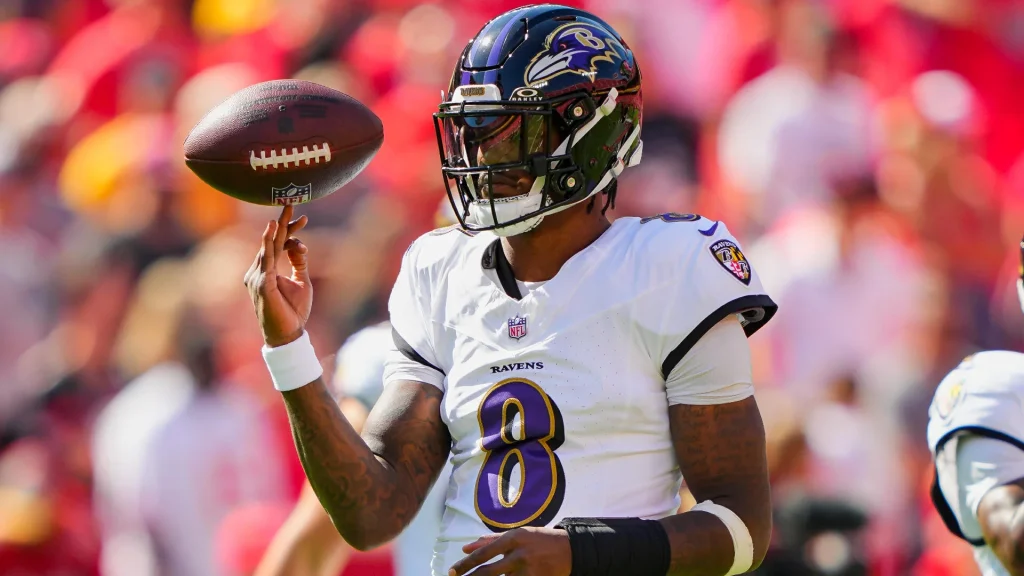
This systemic rigidity is laid bare when the conversation shifts to Black quarterbacks. TraB points to Lamar Jackson—undeniably one of the most electric talents in the history of the sport—and reminds the audience that scouts infamously attempted to force him to change his position. The frustration is palpable as the hosts contrast this with the preferential treatment and boundless patience afforded to athletes who neatly fit the establishment’s traditional archetypes. They highlight the sheer absurdity of trying to strip generational talents of their primary skills just to fit a preconceived, outdated narrative.
Pop Culture Analysis: The Artist in the Box with Glover, Nelly, and the Genre Trap
This institutional obsession with categorical “molds” bleeds seamlessly into the hosts’ critique of the music and entertainment industries. El Uno and TraB pivot to a fascinating pop culture analysis on how the media inherently distrusts the “unicorn”—the polymath artist who refuses to be confined to a single lane.
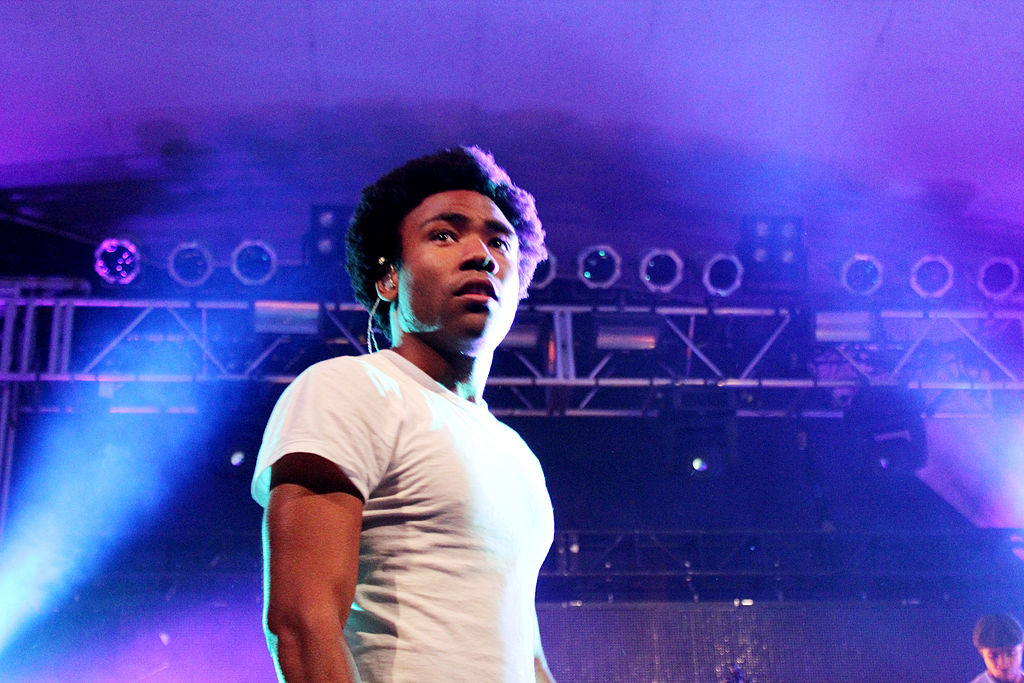
They examine the media’s insistence on slapping the restrictive “rapper” label on multifaceted creators like Donald Glover, completely ignoring his profound contributions as a comedian, writer, and actor. The hosts argue that the industry actively resents artists who cannot be easily categorized for marketing purposes. This point is further amplified when they discuss hip-hop icon Nelly’s foray into country music. Rather than accepting that an artist from the Midwest might have a genuine, organic affinity for the genre, the media quickly cynically dismisses such moves as inauthentic cash grabs.
As El Uno so poignantly notes, the modern media apparatus leverages the “fear of missing out” (FOMO) to keep consumers—and artists—firmly aligned with passing trends, severely punishing those who dare to step outside the lines to create the art they genuinely want to make.
Political Media Spin, Political Theater, and the Emotion Engine
Perhaps the most striking segment of the double episode arrives when the hosts turn their critical lens toward the American political theater. Rather than engaging in tired partisan bickering, El Uno and TraB deconstruct the very mechanics of modern political media spin. They argue that political figures—specifically citing Donald Trump’s rhetorical style—have not fundamentally changed their strategies over the years; rather, it is the media’s framing of those figures that constantly shifts.
The hosts emphasize that modern political campaigns are masterclasses in emotional manipulation, designed to bypass logic entirely. They note that politicians succeed by tapping into visceral, localized anger—such as the very real, localized pain of seeing the Campbell’s Soup factory in Sacramento close down due to outsourcing. By validating those specific resentments, politicians secure loyalty regardless of whether their proposed solutions are grounded in reality.
TraB introduces a vital philosophical concept to combat this: “FTA over FAT” (Feelings, Thought, Action over Feelings, Action, Thought). It is a powerful reminder that allowing the media or politicians to dictate one’s emotional state is the ultimate surrender of personal autonomy.
The Two-Million-Dollar Olympic Dunk
In a brilliant display of tonal agility, the episode briefly pivots from heavy political philosophy to the sheer, unadulterated joy of international sports commerce. The hosts break down the viral moment when French basketball player Gershon Yabusele delivered a thunderous, posterizing dunk over the legendary LeBron James during the Olympics.
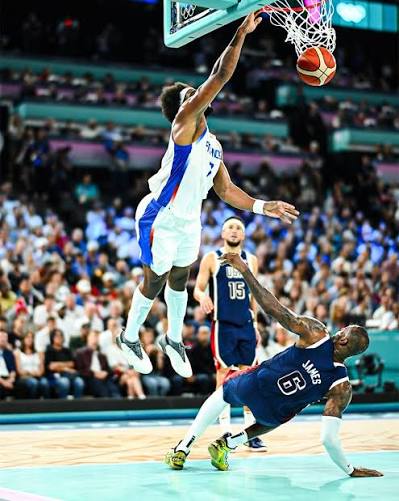
In the ultimate testament to capitalizing on a singular, culturally resonant moment, that single feat of athleticism—one that American networks seemingly tried to quickly cut away from—secured Yabusele a lucrative one-year, two-million-dollar contract with the Philadelphia 76ers. It’s a hilarious, triumphant anecdote that celebrates the unpredictable, chaotic nature of sports.
Millennial Depression, the Millennial Malaise, and the Digital Mirage
As the episode draws to a close, it descends into a profound, somewhat melancholic exploration of the millennial condition. The hosts strip away the irony to address the deep-seated millennial depression and anxiety plaguing the generation born in the 1990s.
They articulate the tragedy of a generation that fully bought into the promised American dream—the straightforward “go to college, get a job, buy a house” pipeline—only to realize they had been subjected to a massive societal bait-and-switch. The promised stability never materialized, leaving a generation stranded in economic uncertainty.
Compounding this existential dread is the rise of the digital age. El Uno and TraB passionately argue that smartphones and social media have exacerbated this generational trauma. Instead of living in the physical world and connecting with their immediate communities, young adults are retreating into digital echo chambers, comparing their deeply nuanced, localized struggles to the curated, globalized lies on their feeds. It is a bleak but profoundly necessary observation, capping off an episode that refuses to offer easy answers to complex problems.
The Final Verdict
This stellar sample of episodes 358 and 359 serves as definitive proof of the unrivaled quality of The Straight Dope Show, cementing its status as a true triumph of independent broadcasting. By refusing to bow to industry trends or soften their perspectives, El Uno and TraB the Wonder have crafted an elite space where genuine, challenging dialogue can flourish.
They are not just commenting on the culture; they are actively dissecting its anatomy. For those exhausted by the sanitized, predictable nature of mainstream media, this masterclass in independent production is a vital oasis that proves exceptional content doesn’t need a corporate filter. It is loud, it is funny, and above all, its high-caliber execution is ruthlessly honest.
Experience the culture, completely uncensored. Download the Rock Da Crowd TV app today on the Apple App Store or Google Play Store to stream The Straight Dope Show and discover the cutting edge of independent media.